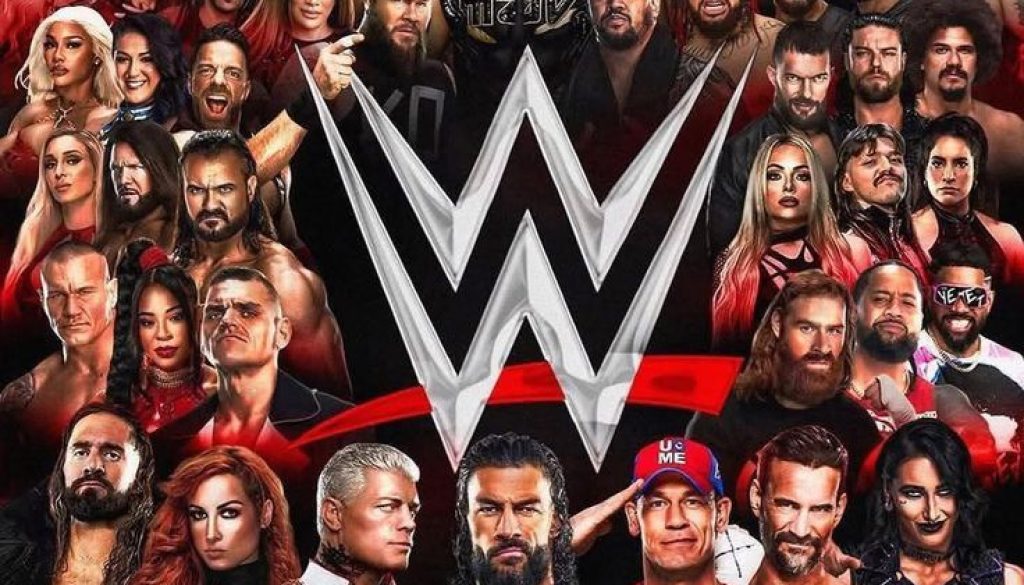
World Wrestling Entertainment
World Wrestling Entertainment: A Sporting and Cultural Phenomenon
World Wrestling Entertainment, popularly known worldwide asWorld Wrestling Entertainment, is much more than simply a wrestling entity. Decades have seen it evolve from a tiny family promotion to a global entertainment giant. World Wrestling Entertainmentis as much athletic competition, drama, and spectacle as it is a sport-storytelling fusion that few industries can match for its die-hard fans numbering in the millions.
When individuals consider World Wrestling Entertainment, they do not merely think about the matches. They remember the larger-than-life figures, the iconic entrances, and the storylines which had them glued to the screen week in and week out. Wrestling is the platform, but the enchantment exists within the blend of performance and personality.
From Humble Beginnings to a National Stage
The company started all the way back in 1953 with the Capitol Wrestling Corporation, which was started by Jess McMahon and Toots Mondt. Vince McMahon Sr. later took over, renaming it into what would eventually become the World Wide Wrestling Federation (WWWF). Wrestling at the time was approached more as a legitimate sport, with each part of the United States having its own shows and talent.
Everything shifted in the early 1980s, when Vince McMahon Jr. came along with an ambitious proposal. He didn’t have any desire for World Wrestling Entertainment to remain localized to a specific area; he desired to make wrestling national, even international. In 1982, when he purchased the company from his dad, he rebranded it the World Wrestling Federation (WWF). McMahon began signing top talent from all over the country, secured TV contracts, and promoted bigger-than-life events that captured the attention of the nation.
WrestleMania: A Game-Changer
World Wrestling Entertainment came up with something in 1985 that changed the business forever: WrestleMania. Created to be wrestling’s take on the Super Bowl, the inaugural event blended wrestling with the presence of celebrities and live shows. Hulk Hogan partnered with Mr. T, Cyndi Lauper made an appearance, and the entire show seemed larger than anything ever witnessed before by fans.
WrestleMania became a yearly tradition, and with that came a boom of superstars who personified the 1980s. Hogan was the face of the business, yet legends such as Randy “Macho Man” Savage, Andre the Giant, and Rowdy Roddy Piper made the sport of wrestling seem bigger than life. To a generation of children coming of age during that period, these individuals were not merely athletes—these individuals were heroes.
The Attitude Era: Wrestling Goes Mainstream
Flash forward to the late 1990s, and World Wrestling Entertainment was engaged in a war of ratings with its nemesis WCW. To differentiate itself, World Wrestling Entertainment revolutionized its product. Gone were the cartoonish gimmicks and in were a more mature, more volatile approach to storytelling.
This period, known as the Attitude Era, is still remembered as World Wrestling Entertainments golden age. Stars like “Stone Cold” Steve Austin, The Rock, Triple H, and The Undertaker became cultural icons. Monday Night Raw was must-watch television, filled with shocking moments, unscripted promos, and rivalries that felt real.
The conflict between Austin and Vince McMahon was the focal point of it all: theeveryman rebel vs. the dictatorial boss. It wasn’t only wrestling—it was entertainment that millions could identify with. By the early 2000s, World Wrestling Entertainment had survived the demise of WCW and was the undisputed titan of sports entertainment.
From WWF to WW
In 2002, when it had a legal battle with the World Wildlife Fund, the company was compelled to abandon the WWF name and rename itself as World Wrestling Entertainment Rather than treating it as a loss, Vince McMahon seized the opportunity to make a point that wrestling was only a fraction of the company’s identity. The new name—World Wrestling Entertainment—indicated that this was about more than the ring; it was about entertainment in all its aspects.
World Wrestling Entertainment then spread all over the world. Pay-per-view events such as Royal Rumble, SummerSlam, and Survivor Series were traditions among fans, and WrestleMania became a week-long event that drew the masses from all continents.
Superstars Who Broke the Mold
Another of the biggest secrets toWorld Wrestling Entertainment success has always been its capacity to produce stars who might break through into mainstream culture. The Rock made the move from wrestling to one of Hollywood’s biggest stars. John Cena did the same, both as a movie star and cultural icon. Brock Lesnar made the jump from pro wrestling to mixed martial arts, while Ronda Rousey brought her UFC stardom to World Wrestling Entertainment
And then there are the legends such as The Undertaker, whose 30-year in-ring career and undefeated WrestleMania record made him a mythical legend of professional wrestling. These men, with their individual styles and narratives, have maintained their audience emotionally engaged for decades.
WWE Today and Tomorrow
World Wrestling Entertainment is now a billion-dollar publicly traded entity with programming airing in more than 180 nations. The launch of the World Wrestling Entertainment Network in 2014, and subsequently its pecking arrangement with Peacock in the U.S., pushed the company solidly into streaming times. In the meanwhile, its developmental brand NXT has turned into a hotbed of fresh talent such as Seth Rollins, Becky Lynch, and Roman Reigns.
Roman Reigns himself is now the face of contemporary World Wrestling Entertainment. His “Tribal Chief” persona has been running the narratives for years, demonstrating how World Wrestling Entertainment still innovates its characters and engages audiences. Even after three decades, the formula remains: mix athleticism with drama, and people will watch.
More Than Just Wrestling
Aside from entertainment, World Wrestling Entertainment has established itself in society internationally. Its philanthropic efforts towards Make-A-Wish, breast cancer awareness campaigns, and anti-bullying efforts reveal that the company considers itself something greater than a source of spectacle.
Pop culture also owes much to World Wrestling Entertainment. Catchphrases such as “If you smell what The Rock is cooking” and theme songs that immediately evoke a sense of nostalgia, World Wrestling Entertainment moments are etched in the memory forever for fans.
Conclusion
From humble origins in the 1950s to the international powerhouse that it is now, World Wrestling Entertainment has had an existence unlike any other. It has had its share of competition, controversy, and ever-changing times, but it never let that cease entertaining.
No matter whether you regard it as sport, theater, or mere spectacle, this much is clear: World Wrestling Entertainmenthas created a special niche for itself in world culture. Its capacity to intermingle athleticism, drama, and narrative ensures that it will be a phenomenon for many years to come.
